Showing posts with label driving. Show all posts

Thursday, August 25, 2022

Blog #145: Epilepsy Patient Passes Driving Test After Brain Surgery


Several of my previous 144 monthly blogs on LanceFogan.com dealt with brain surgery as a chance to improve, or even cure, epilepsy in those whose epilepsy is poorly controlled. (See Blog # 89 December 26, 2017: Surgical Removal of Seizure Foci in Your Brain to Cure Poorly Controlled Epilepsy is Safe!; Blog # 101 February 26, 2019: Epilepsy—Fit to Drive?; Blog # 114 January 26, 2020: Epilepsy Surgery in Childhood and Long-Term Employment Is Encouraging.; Blog # 121 August 25, 2020: If Your Seizures Aren’t Controlled Epilepsy Surgery Is Safe and Really Can Help).


The greatest chance to cure your uncontrolled epilepsy is by successfully removing the seizure focus surgically.

My clinical experience has shown that there is so much that can physically alter the brain anatomically by surgery and by unintended trauma that surprisingly results in undetectable, or barely detectable, changes in a patient’s mental and physical capabilities. I have examined people who have been shot in the head, the bullet entering one side traversing through parts of the brain and exiting the other side of the head sparing sensitive brain areas. When neurosurgeons and neurologists perform specialized types of EEGs and imaging scans anticipating epilepsy surgery, sensitive parts of the brain can be identified and avoided.

The BBC on-line service recently reported that a man with epilepsy says he finally has independence. A surgical procedure removed his epilepsy focus and he then was able to pass his driving test.1 The 40-year-old man had the brain operation eight years ago. Government rules meant the computer programmer from Birmingham was unable to take his driving test unless he was seizure-free for two years. But twice since learning to drive he had a seizure, setting him back each time and then Coronavirus lockdowns led to further delays. But eventually he was able to take the test and since passing, plans to take his young family on regular camping trips.

The man said he never thought he would be able to drive after living with epilepsy since childhood. But he underwent lesion resection, which involved inserting electrodes into his brain to detect electrical activity and carefully removing abnormal tissue.

Discuss possible epilepsy surgery with your neurological caregivers.


1)    Epilepsy Patient Passes Driving Test After Complex Surgery. https://www.bbc.com/news/uk-england-birmingham-62568014. Aug 16, 2022.


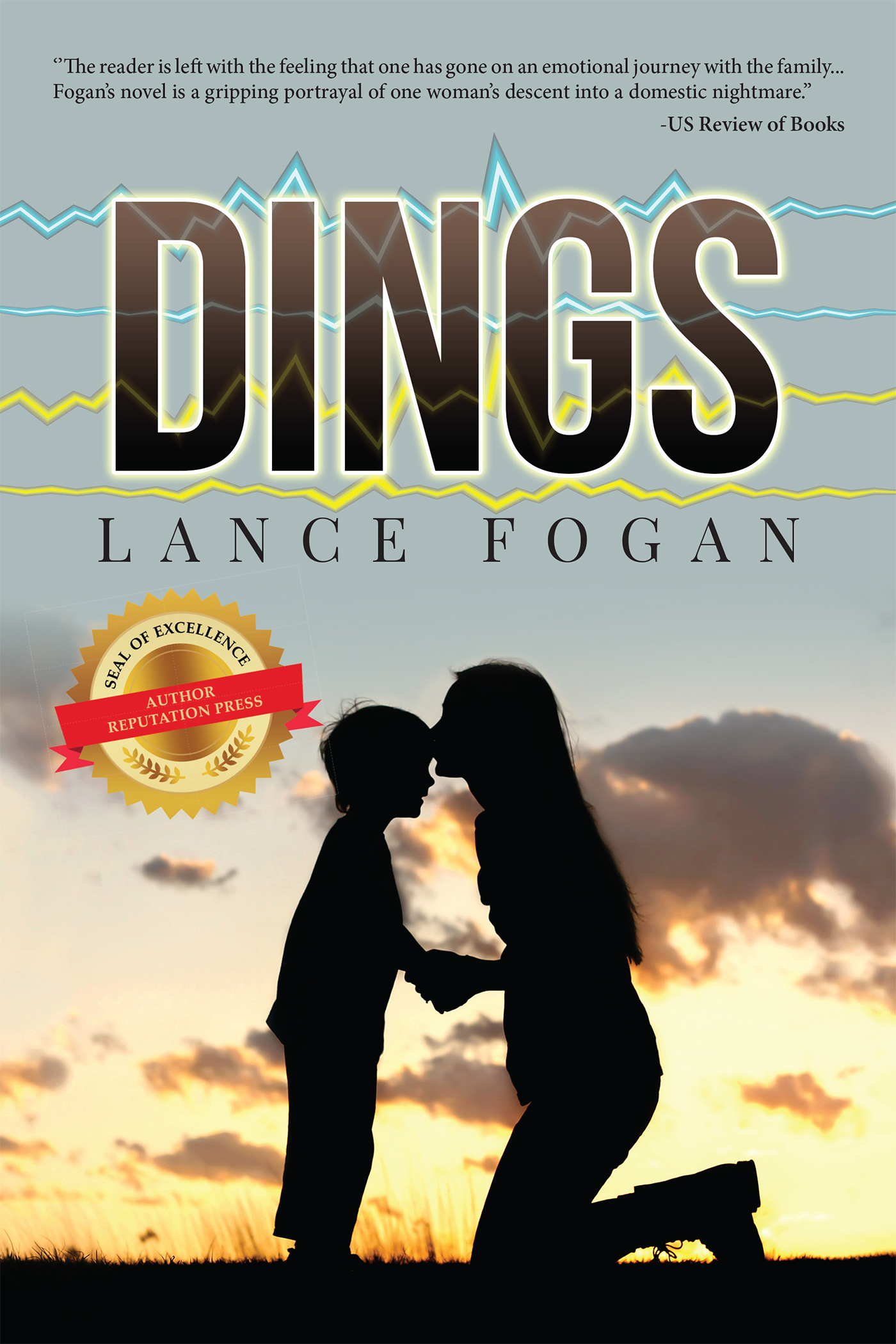
Lance Fogan, M.D. is Clinical Professor of Neurology at the David Geffen School of Medicine at UCLA. His hard-hitting emotional family medical drama, “DINGS, is told from a mother’s point of view. “DINGS” is his first novel. Aside from acclamation on internet bookstore sites, U.S. Report of Books, and the Hollywood Book Review, DINGS has been advertised in a recent Publishers Weekly, New York Times Book Review and the Los Angeles Times Calendar section. DINGS teaches epilepsy and is now available in eBook, audiobook, and soft and hard cover editions.


Tuesday, March 27, 2018

Blog #92: Citizens Influence New York State Law: Driving With Epilepsy

      A few weeks ago I saw a TV report: a Brooklyn driver ran a red light and killed two children, ages four years and one year old and injuring others, including a pregnant woman — “It was something you see in a horror movie,” a witness said. The car dragged one kid’s stroller more than 350 feet at Ninth St. and Fifth Ave. in Park Slope, Brooklyn, N.Y.
      According to reports, this auto accident was caused by a driver afflicted with multiple sclerosis, seizures and a heart condition. After the accident she said she didn’t recall the red light or hitting anything. On-sight witnesses reported that she seemed oblivious to what had just happened. That strongly suggests that this person’s epilepsy caused a seizure.
      Neurologists evaluate and treat people who experience altered and loss of consciousness.  In contrast to the epilepsy type that causes falling to the ground with convulsive shaking, I had to include the non-convulsive type epilepsy as a possible cause of a person’s altered behavior. This form of epilepsy can be difficult to recognize. The non-convulsive forms include complex partial seizures and petit mal seizures. People suffering these common forms of blank-outs may walk about, converse in a confused manner, turn on water faucets and eat at a table with other people all the while they are in a mental fog—out of contact with their environment and without memory of their actions.
      Children may suffer these seizures but teachers, families and even medical workers may miss the correct diagnosis. These people may be considered to be “slow learners,” or have hearing problems, attention-deficit disorders (ADD) or autism. The prime diagnostic tool, the electroencephalogram (EEG), commonly is normal because the epileptiform abnormalities may not occur in the brain during the hour or so that the person is connected to the brain-wave-detecting equipment. Brain scans routinely are normal, too. The diagnosis can be made by speaking with observers who note these patients’ “foggy” mind-states. My novel, DINGS, is a medical mystery story of just such a bright third-grader who is failing school because of his unrecognized complex partial seizure-blank outs. He’s just not “keeping up.”
      Upon seeing this report on TV two weeks ago I recognized Brooklyn’s Park Slope as a neighborhood in which my cousins live. I sent them my opinion that the driver must have had a seizure causing the accident of which she had no memory. “It was murder,” they told me.
     Why was this woman with epilepsy driving?
      I related that my state, California, is only one of six states where state law requires physicians to report people with altered consciousness. New York is not one of those six states. The other 44 states hope that people with epilepsy will report themselves to the Department of Motor Vehicles (DMV). That’s a problem. Some of my California epilepsy patients would become understandably belligerent when I would caution them of their driving responsibilities and to stop driving until sanctioned by the DMV; they were endangering their families, passengers, the public and themselves. “No, Doc. Don’t send that report in. Are you going to pay my mortgage?” Personal insight, personal economics and ethics all swarm in their minds as they make decisions of giving up their driving privilege, i.e., their DMV license.
     Upon learning my information my Brooklyn cousin asked if he could share it with a New York State legislator’s office. That same week Brooklyn State legislators unveiled a bill to create a mandatory reporting system and to authorize the DMV to evaluate pe  I shall be following New York’s action.


Lance Fogan, M.D. is Clinical Professor of Neurology at the David Geffen School of Medicine at UCLA. “DINGS” is his first novel. It is a mother’s dramatic story that teaches epilepsy, now available in eBook, audiobook and soft cover editions.

Friday, January 26, 2018

Blog #90: Which Patients with Epilepsy Can Safely Drive?

 
            The perennial question from our patients is, “Can I drive, Doctor?” Only California, Delaware, New Jersey, Nevada, Oregon and Pennsylvania throw this decision to the state’s Department of Motor Vehicles (DMV). These states’ laws make it mandatory for physicians to report persons who are diagnosed with epilepsy to the state DMV; however, it is the DMV that decides if the patient may drive, not the physician. Failure to report an epilepsy diagnosis opens the physician to liability if car accidents occur. The other 44 states request patients to report themselves to the DMV. Facing loss of jobs, income and losing their driving privilege makes it very tempting not to report their epilepsy diagnosis. But, this compromises their own safety, the safety of their passengers and of the public. I have had patients who had their driving licenses revoked for a period of observation of six to twenty-four months. If they were seizure-free the DMV returned their driving privilege. In my follow-up, I would query, “Have you had any seizures or spells?” Some had responded, “Would you have to report anything to the DMV?” When I affirmed that I would, they then told me, “No, I’m doing fine, Doctor.”

            The patient’s doctor, usually a neurologist, is asked on the DMV’s forms whether the patient is safe to drive: “yes, no or unsure.” Physicians base their judgement on the patient’s and observer’s histories if loss of awareness has occurred. The DMV’s medical consultant committee, however, makes the ultimate driving decision.  

            The EEG is normal in up to 50% of epilepsy patients on any one test. Abnormalities may not appear except during seizure activity in the brain. EEG abnormalities of other types are not always diagnostic. Brain scans and blood and cerebrospinal fluid testing are commonly normal, too. So, a normal EEG does not rule out epilepsy. The clinical history is how the diagnosis of epilepsy is made.

            Petit Mal, or Absence, seizure patients usually have no warning-prodrome or post-ictal (after the seizure stops) confusion state or any obvious physical changes during their seizure. Also, these patients are oblivious of their loss of awareness which usually last just 10-15 seconds. Observers who are unfamiliar with epilepsy―often their juvenile friends—commonly miss the brief seizure; they consider the patient “weird” and “different.” Complex partial seizures can be hard to identify because the person does not convulse but just seems to be confused and to have lost contact with their environment.

            The lack of data about driving performance during seizures, and during the post-ictal period, makes it difficult to determine driving safety. A study of patients who performed a driving simulation test during inpatient video-EEG monitoring was recently reviewed.1 Hal Blumenfeld, MD, PhD and colleagues studied 20 patients during simulated driving in the Yale New Haven Hospital Epilepsy Monitoring Unit. Patients “drove” an average of three hours. Some seizures showed obvious impairment and others showed none. Several of the patients’ seizures resulted in “crashes.” Seizures lasted an average of 75 seconds in those patients who crashed, compared with an average of 30 seconds in patients who did not crash. Blumenthal concluded that “…more data is required to learn if there are people with epilepsy who are driving who shouldn’t be driving, as well as those who are not driving who can safely drive.”

            Another similar study also questions the long-held belief of a protective role of reliable auras against motor vehicle accidents in people with epilepsy.2 


1.      “Which Patients with Epilepsy Can Safely Drive” Neurology Reviews: January 2017, page 8.

2.       Punia V, Farooque P, Chen W, et. al. Epileptic auras and their role in driving safety in people with epilepsy. Epilepsia. 2015 Nov; 56(11): e182–e185. Free at Epilepsia.


Lance Fogan, M.D. is Clinical Professor of Neurology at the David Geffen School of Medicine at UCLA. “DINGS” is his first novel. It is a mother’s dramatic story that teaches epilepsy, now available in eBook, audiobook and soft cover editions.

Thursday, January 22, 2015

Blog #53: New Studies: When Is It Safe to Drive With Epilepsy?

(This blog was originally posted on December 26, 2014)


            “I get an aura, a warning before my epileptic seizure, so that protects me and I can pull my car over and avoid an accident.” That’s what some people with epilepsy believe. Can these patients truly protect themselves and the driving public? There’s not enough information to make an accurate decision.
            An article in the December 4, 2014 issue of Neurology Today reviewed studies reported at the 2014 American Epilepsy Society Annual Meeting. The article concluded that neurologists and law-makers need to rethink current recommendations about driving with epilepsy. The American Academy of Neurology previously considered auras―“warnings”—that were consistent and prolonged to be a favorable feature in sanctioning a driving license. Recent studies question this belief: the aura did NOT protect the driver from an accident. Accident rates in people who have auras were similar to patients who did not have auras.
            In their study, patients underwent continuous video-EEG monitoring at the Yale Epilepsy Center while simulating “driving” on portable computer-based driving simulators, complete with brakes, gas, and a steering wheel. Researchers found that patients with longer seizures and seizures that led to a loss of consciousness were more likely to “crash” their vehicles in the simulated test compared to patients with other types of seizures without loss of consciousness (e.g., simple partial seizures). The research showed clearly that people who lose consciousness or have serious impairments in their movements during a seizure should not drive until treatment controls their seizures. Other patients whose EEG showed epileptiform discharges (these correlate with altered brain neuron-cell function) that did not alter consciousness or have other symptoms (subclinical EEG discharges) had vague, imprecise effects on driving. However, and very significantly, many patients who had lost consciousness did not know that their awareness was impaired during the “subclinical” EEG discharges when queried by the researchers.
            Some states leave the important decision of when to allow driving in people with epilepsy up to the neurologist. But in six states, California, Oregon, Nevada, Pennsylvania, New Jersey and Delaware, the state’s Department of Motor Vehicles makes the ultimate decision utilizing the physician’s—not necessarily a neurologist―input.
            With imprecise ability to determine if consciousness is preserved or not, neurologists need to be cautious in deciding whether a person who has epilepsy can drive safely. As noted above, there is still not enough information to make a highly accurate, sound decision about this important safety issue.
 
 
Lance Fogan, M.D. is Clinical Professor of Neurology at the David Geffen School of Medicine at UCLA. DINGS is his first novel. It is a mother’s dramatic story that teaches epilepsy.
 

Wednesday, January 21, 2015

Blog #22: Driving with Epilepsy: Morality vs. Necessity


(This blog was originally posted on April 27, 2012)


          Modern societies cherish the privilege of driving. But what do people do if they suffer episodes of loss of awareness? They hope that warning symptoms will allow them to pull over to the side of the road. They plan to not drive on a day when they have had a seizure or if they experience familiar premonitory symptoms cautioning that a seizure is likely to occur. Not everybody with epilepsy have such warnings. If warnings occur, can an effective action actually prevent catastrophe on the road? Will people use common sense? Too often they won’t. Patients need to drive to work, for shopping, and for a myriad of other errands. These needs can overrule common sense. They disregard their own safety and the safety of others in their wishful thinking that nothing will happen.
            Only six states require physicians to report seizures to the health department. Physicians in these six states are held liable for the damages caused if epilepsy patients are not reported as required. These states are California, Nevada, Oregon, New Jersey, Delaware and Pennsylvania. Once reported the health departments in these states notify their respective Departments of Motor Vehicles (DMV). These DMV offices send forms to the patients who complete their portion and then take the form to their physicians for them to complete the medical questions.
            Questions on these forms include: what happens during the spell? How long do the spells last? When did the condition begin? What medications are being used to prevent the spells, if any? When was the last spell? One challenging question asks physicians how safe is it for the patient to drive? “Is the patient safe to drive? Yes….No….Uncertain….” Often, patients try to sway the physician’s answer. The DMV uses the physician’s answer as a guide, but the DMV makes the ultimate decision.
            There are many variables in making diagnoses. Precise, accurate and honest answers are often difficult to achieve. Some patients have seizures only during sleep (so-called nocturnal seizures/epilepsy). The DMV sometimes allows these patients to drive. Other patients swear that their seizures never involve loss of awareness (so-called “simple partial seizures”). These seizures may include numbness, shaking, seeing spots and other symptoms without loss of consciousness. Are all of their seizures like these? Do occasional seizures involve confusion? The physician must take the patient’s word that the seizures do not involve confusion.
            Often, patients try to sway their physician’s recommendations, and they learn what to say. The DMV could revoke a patient’s driving privileges for six months to two years during which the patient must remain seizure-free. The patients’ reports of their condition may or may not be true. Some patients have gotten their driving licenses back after the DMV-imposed observation period ended. During subsequent follow-up physicians will ask if any seizures have recurred. Not uncommonly the response is, “Would you have to report to the DMV, doctor?” Upon hearing that the physician is required to report they could answer, “No. I’ve been fine.” Not only are they and potential victims in danger, the physician is prevented from making necessary changes in medications for them that could be more effective.
            And, what happens in the remaining forty-four states where epilepsy-reporting is not mandatory? It is the patients’ responsibility to self-report. It is easy to imagine their mental turmoil knowing how much their life would change if they relinquished their driving license. Concerns of potential injury and death to themselves, their passengers and to others, though, are sometimes over-ridden by opting for their personal needs.
 
Lance Fogan, M.D. is Clinical Professor of Neurology at the David Geffen School of Medicine at UCLA. DINGS is his first novel.